
A plaster wall that carries the trace of the hand, an oak table softened by years of use, a ceramic vessel whose irregular rim catches the light differently each morning: these are the quiet details that give Wabi sabi interiors their presence. The approach is often reduced to an aesthetic of beige linen and handmade pottery. In a considered home, it is more exacting than that. It is a way of allowing age, texture, and restraint to shape a room without turning imperfection into a theme.
What Wabi Sabi Means in an Interior
Rooted in Japanese aesthetic traditions, wabi sabi finds value in impermanence, incompleteness, and natural irregularity. Its appeal lies not in making a house look unfinished, but in choosing materials and forms that become more compelling with time. A worn limestone floor, hand-finished plaster, unlacquered brass, and solid wood all register life differently than glossy, uniform surfaces.
For a modern interior, this creates a useful counterpoint to precision. Clean-lined architecture can feel austere when every finish is immaculate and every object is tightly controlled. Wabi sabi introduces visual warmth without adding clutter. The result is a room that feels settled rather than styled.
This distinction matters. A chipped antique bowl may carry genuine history; a deliberately distressed new object can feel theatrical. The goal is not to manufacture flaw. It is to leave room for material character.
Wabi Sabi Interiors Begin With Material Selection
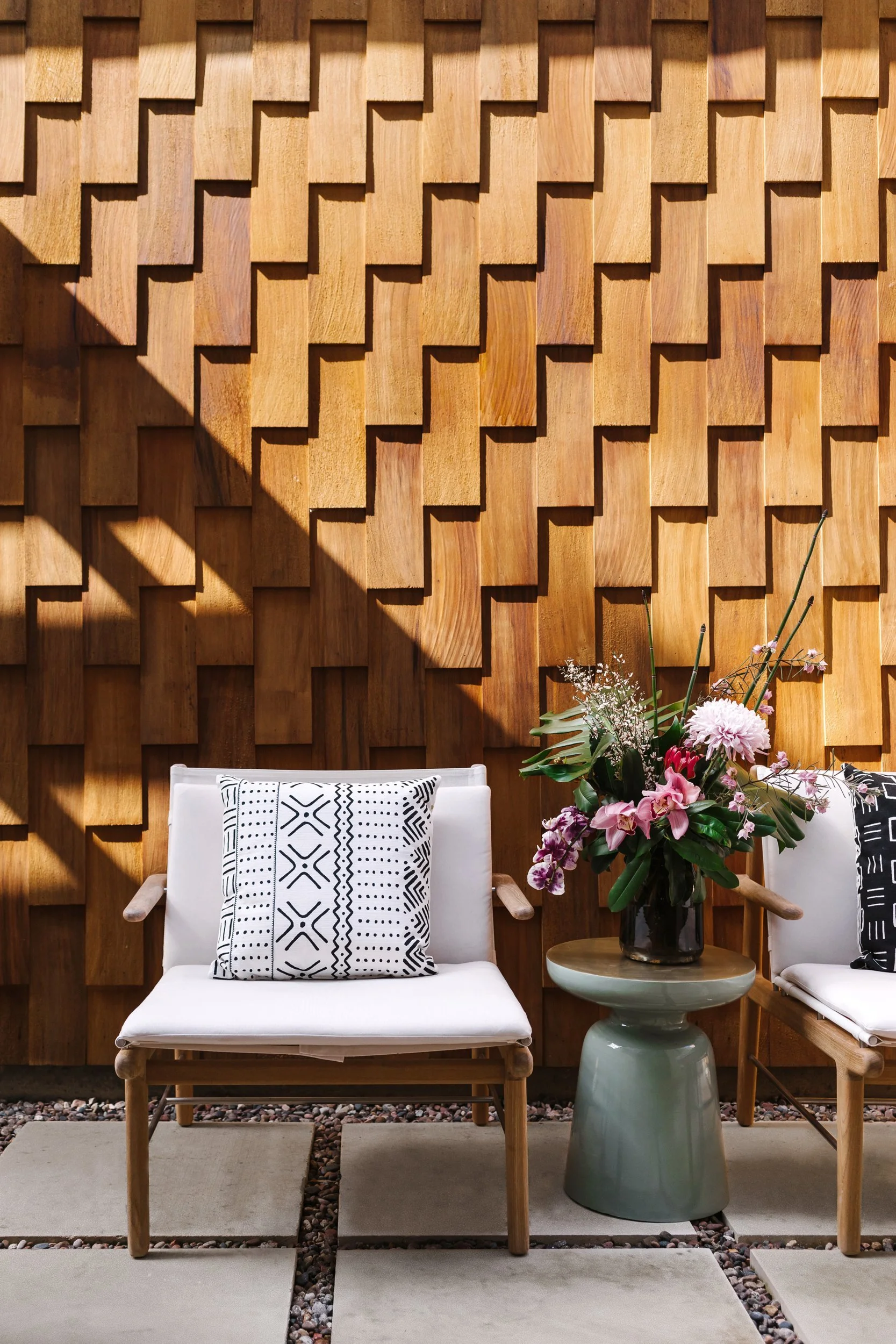
The strongest wabi sabi interiors are built from a limited, tactile palette. Natural materials work best when they are allowed to read clearly: white oak rather than heavily stained wood, honed stone rather than high-polish marble, washed linen rather than overly tailored upholstery. The materials need not be rustic. They can be quiet, architectural, and highly refined.
Consider a contemporary kitchen with flat-panel oak cabinetry, honed soapstone counters, and a softly textured plaster range wall. The composition remains minimal, but the finishes prevent it from becoming cold. In a San Francisco residence, where daylight can be diffuse and atmospheric, these surfaces gather depth across the day. In an Austin home, they temper strong sun and create a more grounded relationship between indoors and landscape.
Patina should also be planned for, not feared. Brass that darkens, leather that develops variation, and wood that acquires small marks can make a home more personal. This is not right for every surface. High-use areas still require practical performance, especially in homes with children, pets, or frequent entertaining. The balance may be durable porcelain underfoot, for example, paired with materials that offer softness and age at the hand level.
Texture Needs Contrast
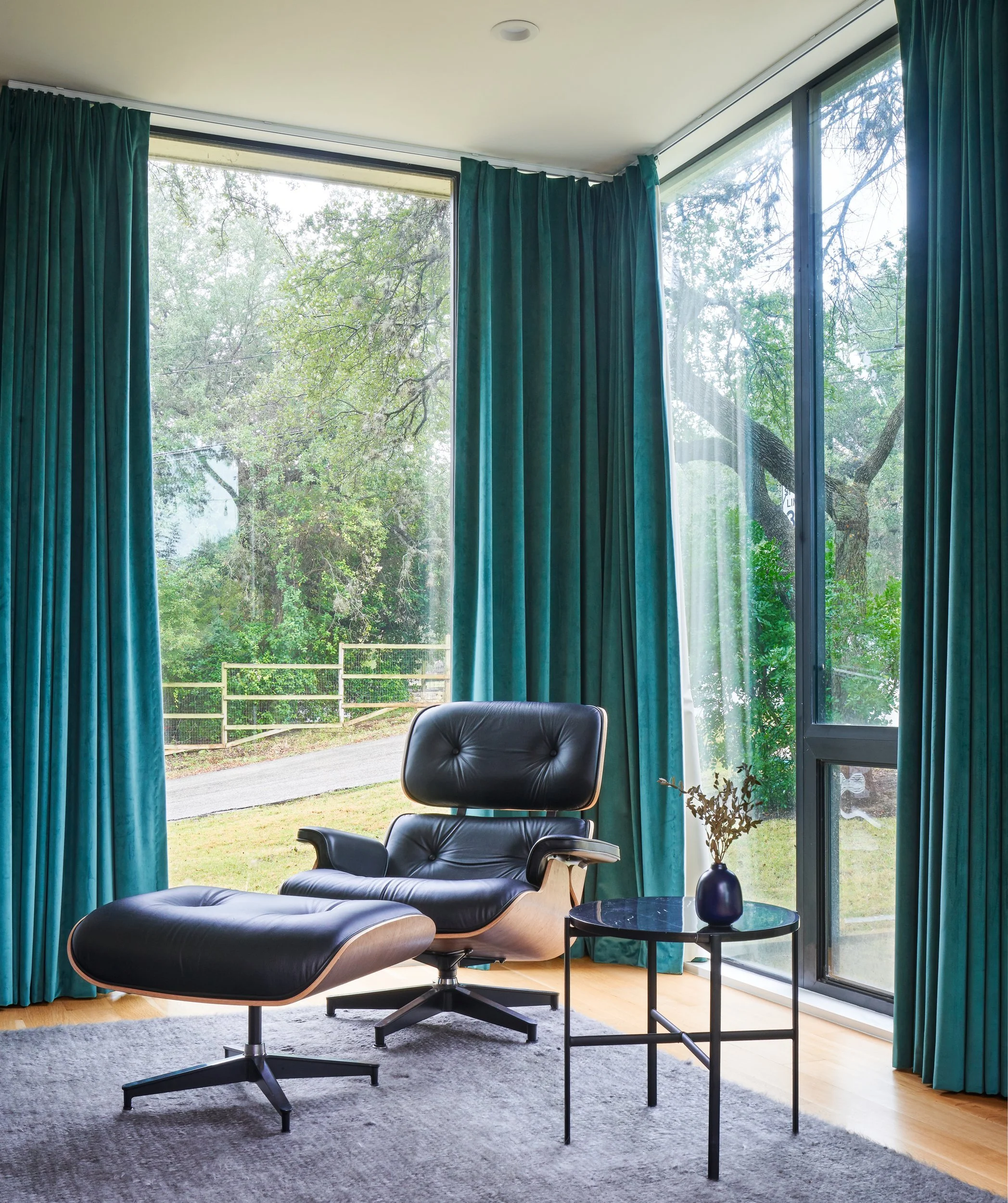
A room composed entirely of rough finishes can feel heavy. Wabi sabi works best when texture is edited against smoother elements: a hand-troweled wall beside crisp millwork, a nubby wool rug below a refined sofa, an irregular ceramic lamp on a precise stone plinth. Contrast gives each material definition.
The same principle applies to color. Rather than treating neutral as a single flat note, use tonal variation. Chalk, mushroom, tobacco, clay, charcoal, and faded olive can create a restrained palette with enough depth to hold attention. Strong color is possible, but it should feel integral to the architecture rather than decorative punctuation.
Restraint Is the Difference Between Warmth and Clutter
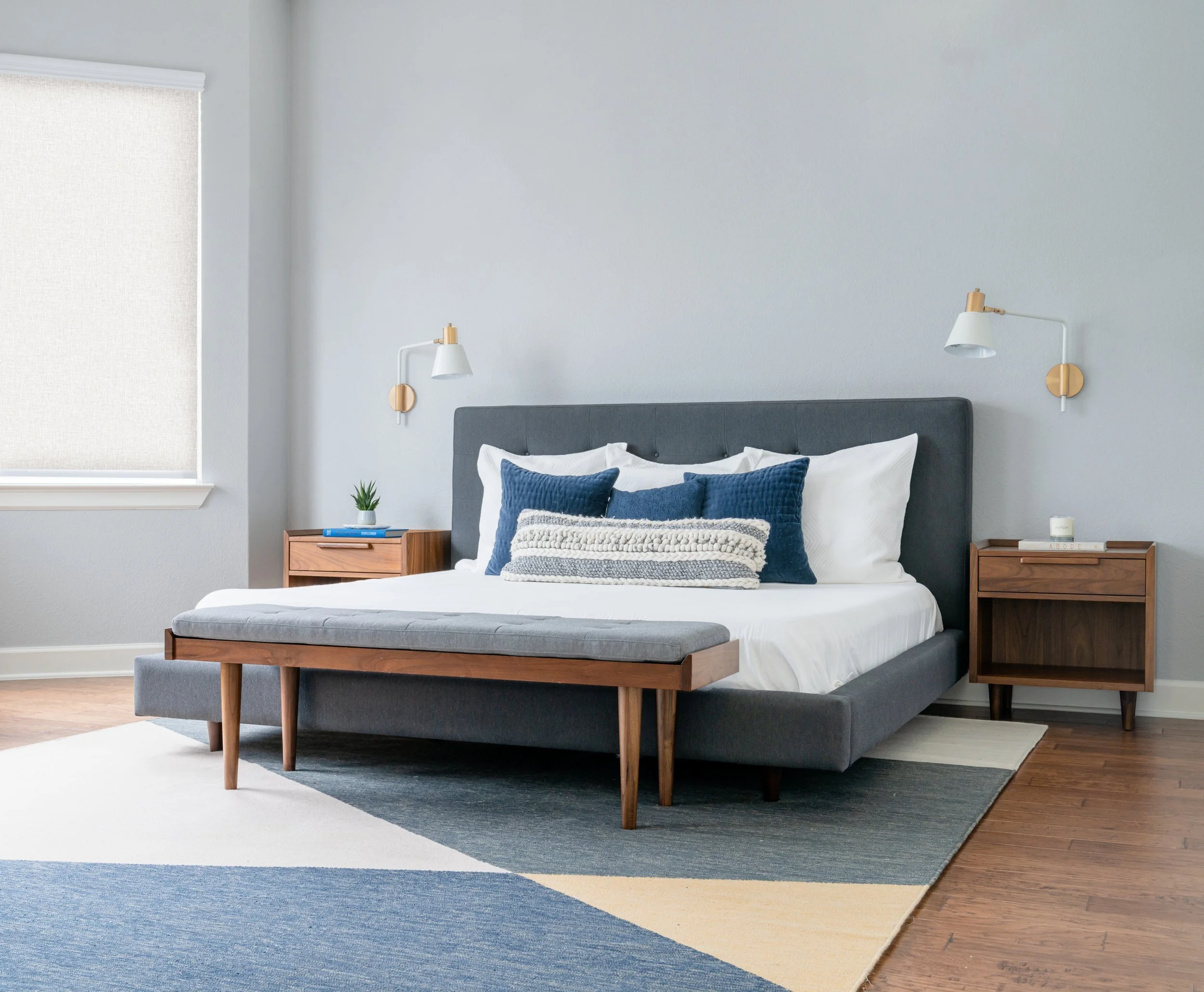
Wabi sabi is sometimes interpreted as permission to fill a room with collected objects. In fact, it asks for discernment. Negative space allows a single branch, weathered vessel, or low sculptural chair to register fully. A small number of pieces with material presence will do more than a shelf crowded with similar accessories.
This is particularly relevant in minimal homes. When the architectural envelope is calm, furnishings can carry a sense of life through weave, grain, curve, and proportion. Choose objects for their form and physicality, not because they meet a prescribed look. A vintage wood stool, a contemporary paper lantern, and a simple ceramic bowl can coexist when their scale and tonal values are considered.
There is also a cultural consideration. Wabi sabi should not be treated as a shortcut to a generic Japanese-inspired room. Its principles can inform a project without relying on borrowed motifs or superficial styling. Respectful interpretation begins with proportion, natural materials, and an acceptance of change, then responds to the home’s own architecture and setting.
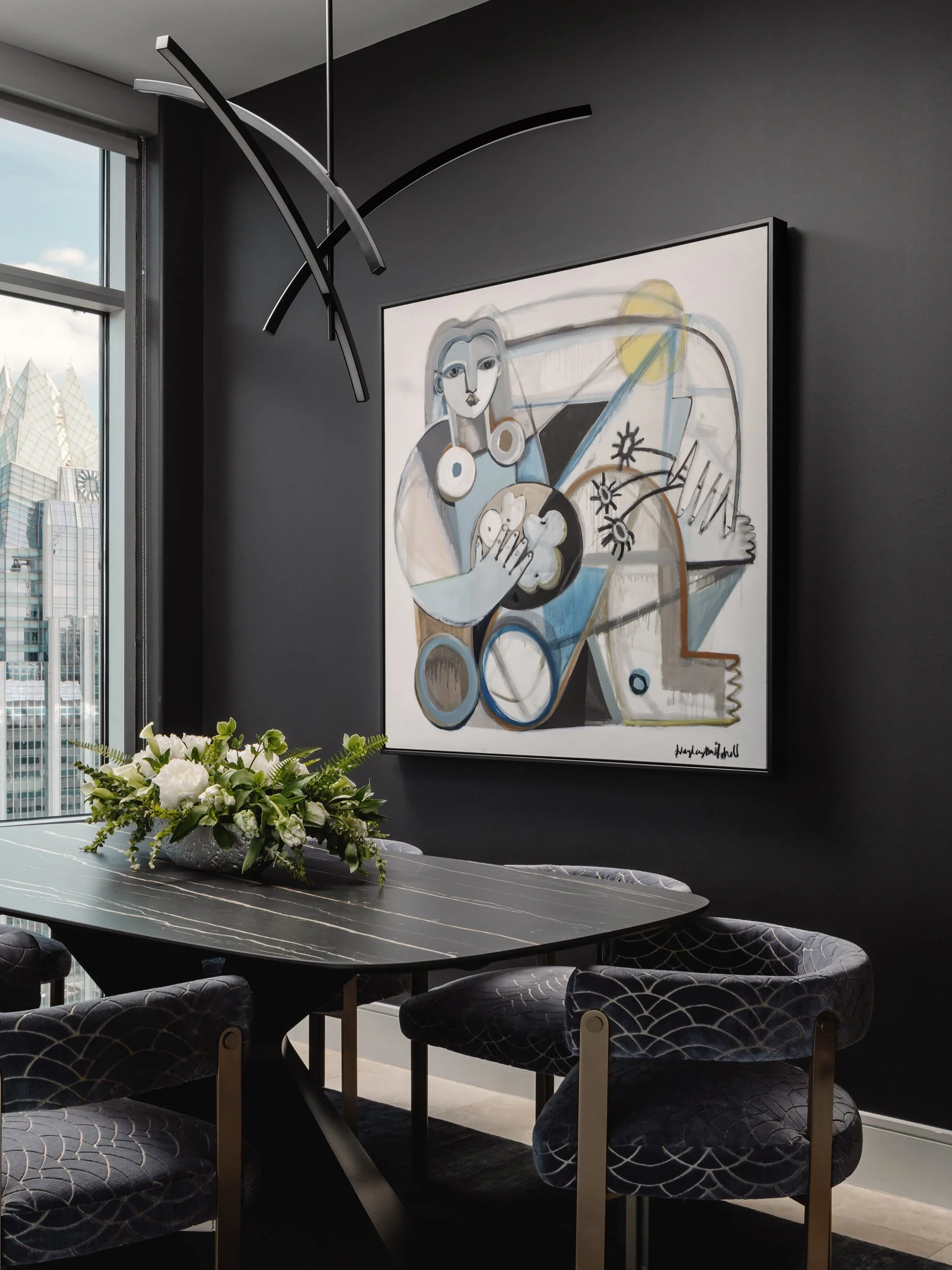
For Breathe Design Studio, that may mean retaining the honest grain of original ranch millwork, pairing a contemporary addition with limewash and oak, or introducing handcrafted elements into a polished urban residence. The expression changes with the property. The underlying discipline does not.
A home does not need to look aged to feel enduring. Choose what will wear well, leave space for what matters, and let the marks of ordinary life become part of the design.
Planning a renovation or full home design in the San Francisco Bay Area or Austin? Our Bay Area interior design team works across San Francisco, Marin, the Peninsula and the East Bay, and our Austin studio serves Central Texas. Book a discovery call to talk through your project.