
A room can contain rare stone, custom millwork, and collectible furniture yet still feel unsettled. Luxury interiors are not defined by a catalog of expensive finishes. They are defined by the quality of decisions: how a room is proportioned, how daylight moves across a surface, where daily objects disappear, and what remains visible when the home is in use.
For a significant renovation or new residence, this distinction matters. Materials are only as effective as the plan that supports them. A beautiful kitchen can feel crowded if circulation is unresolved. An exceptional sofa can appear incidental in a room with no architectural anchor. The most successful interiors establish order first, then allow material, art, and furniture to carry the atmosphere.
What Defines Luxury Interiors
Luxury is often mistaken for abundance. In practice, it tends to depend on restraint. The spaces that feel most refined do not announce every decision at once. They reveal a considered relationship between architecture, light, texture, and use.
A quiet palette may include warm plaster, oak, patinated metal, and deeply veined stone, but each material has a role. The plaster softens acoustics and catches changing light. The oak brings warmth and scale. Metal introduces a precise edge. Stone is placed where its inherent variation can be appreciated rather than repeated indiscriminately. This is not minimalism for its own sake. It is an approach that gives each element enough room to register.
Start with proportion, not decoration
Proportion is the invisible structure behind a composed room. Ceiling height, window placement, passage widths, and the relationship between furniture and architecture shape how a space feels before color or accessories enter the conversation.
In an urban condominium, this may mean preserving clear sightlines from the entry to the view and choosing lower-profile furnishings that keep the volume legible. In a larger Austin residence, it may mean using a central hearth, a sculptural stair, or a long run of cabinetry to give an open plan a sense of orientation. The appropriate gesture depends on the property, but the goal is consistent: the house should feel coherent as one moves through it.
This is why early planning has such influence on the finished result. Resolving the kitchen layout, bath footprint, lighting locations, and built-in storage before selecting decorative pieces prevents a project from becoming a sequence of costly corrections.
Choose materials with presence and purpose
Material quality is essential, but luxury is not synonymous with the most elaborate or precious option. A honed limestone floor may be more appropriate than a high-polish marble if the home receives strong sun, welcomes children and dogs, or is intended to feel relaxed rather than formal. Rift-sawn white oak can offer greater visual calm than a heavily figured veneer. Hand-finished plaster may create more depth than a feature wall covered in pattern.
The strongest material palettes balance visual interest with durability. They account for how surfaces age, how they are cleaned, and how they feel at close range. Natural materials tend to reward this attention because they acquire character rather than simply showing wear.
There are trade-offs. Unlacquered brass develops patina, which many clients value, but it is not the right choice for someone seeking a uniform finish over time. Natural stone can etch or stain, depending on the variety and location. These are not reasons to avoid expressive materials. They are reasons to specify them with a clear understanding of how the household lives.
Luxury Interiors Need a Strong Edit
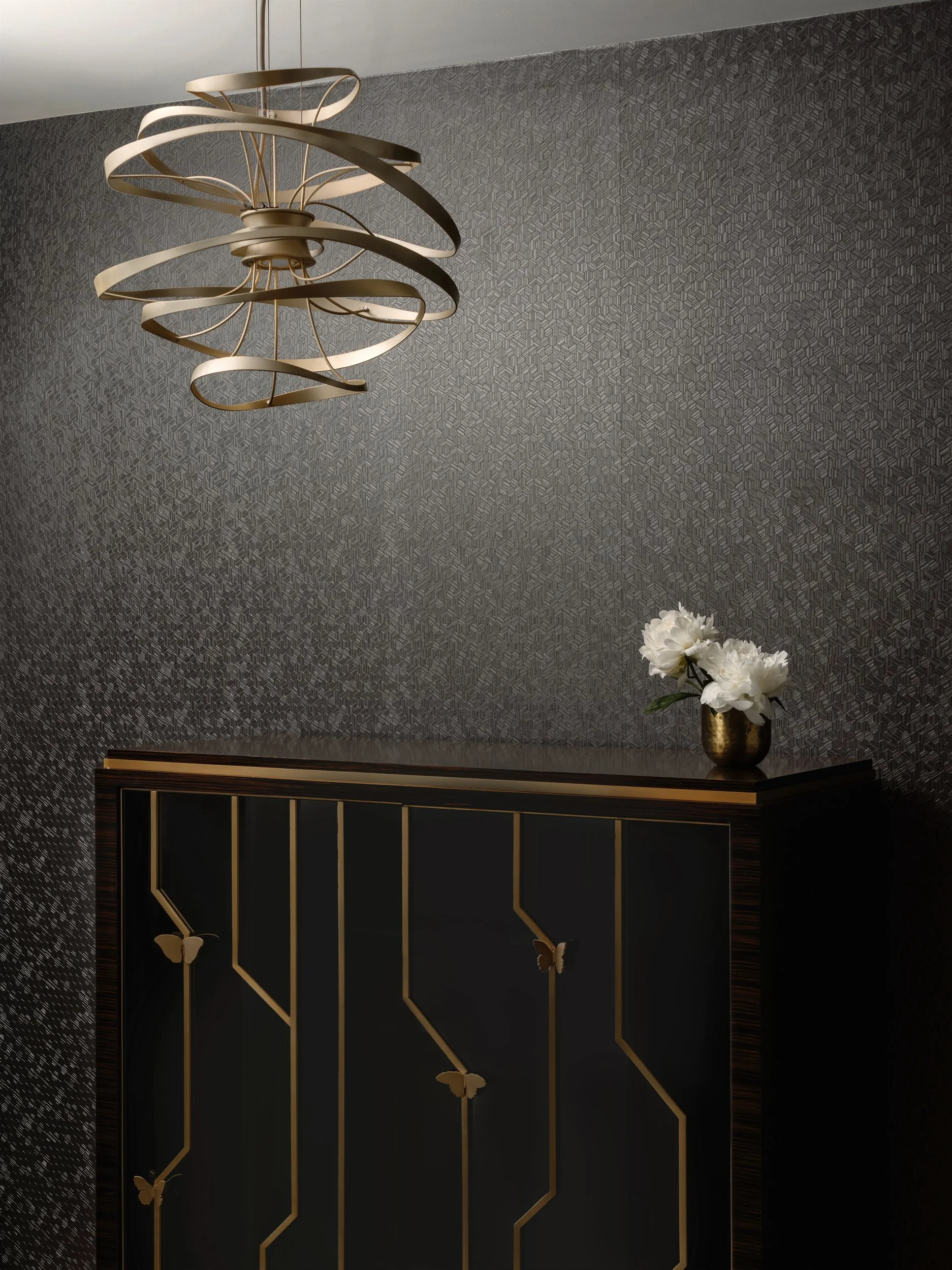
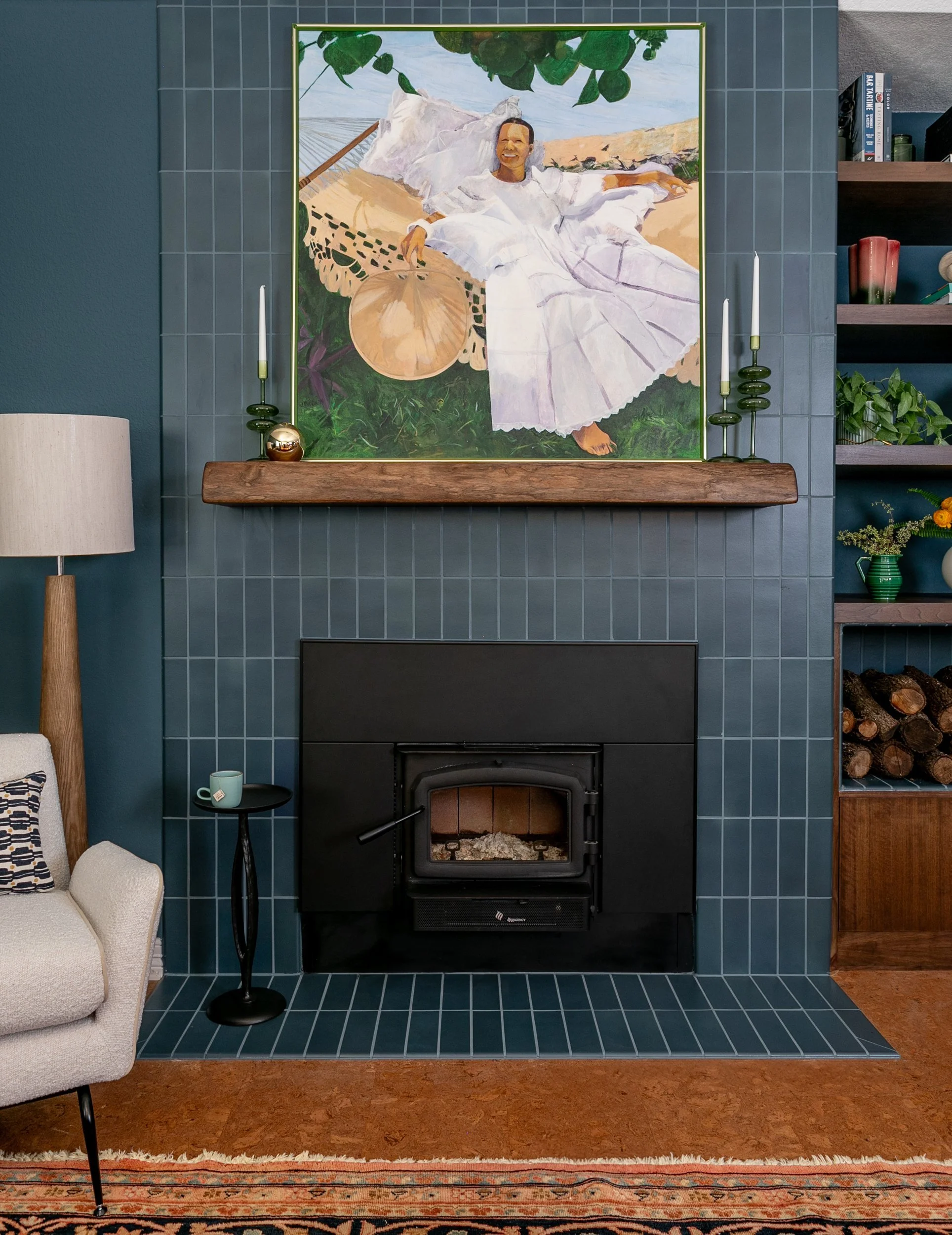
Visual restraint does not mean a home must be sparse. It means the room has a hierarchy. One or two moments may carry the visual weight: a fireplace surround, a dramatic pendant, an antique table, a large work of art, or a panoramic window. Everything else should support those moments rather than compete with them.
This is especially relevant in contemporary interiors, where clean lines can expose every unresolved choice. When the architecture is simple, details become more visible. The reveal around a flush door, the edge profile of a stone counter, the alignment of a wall sconce, and the scale of a cabinet pull all contribute to the overall impression.
A refined room also allows for contrast. A tailored sofa can sit beside a timeworn wood chair. A highly resolved kitchen can open to a more relaxed dining area. The tension between polished and informal elements keeps a modern interior from feeling like a showroom.
Lighting should shape the atmosphere
Lighting is one of the fastest ways to distinguish a finished interior from one that merely has fixtures. Recessed lighting can provide useful ambient coverage, but it rarely creates the full atmosphere of a room on its own. Layered lighting is more effective: architectural illumination for circulation, focused task lighting where work occurs, and decorative sources that create warmth at eye level.
The fixtures themselves should relate to the architecture. In a minimal residence, a small-scale, well-placed sconce may be more compelling than an oversized statement piece. In a dining room with generous volume, a pendant can define the table and create intimacy after dark. Dimmers and thoughtful switching are not minor technical matters. They determine whether the house can shift comfortably from morning routines to a dinner with guests.
Design for the Life That Happens Off Camera
The real test of a luxury home is not how it photographs on installation day. It is how it performs on an ordinary Tuesday. Does the entry have a place for bags and shoes without becoming a drop zone? Can the kitchen support both quiet breakfasts and a full dinner party? Is the primary bath calming because everything has a place, or because the counters have been cleared for a photograph?
Custom storage is often one of the most meaningful investments in a renovation. It gives everyday objects a home and protects the visual calm of the architecture. In a family residence, this might include integrated cabinetry near the kitchen, a concealed charging drawer, or a mudroom that does not read as an afterthought. In a compact city apartment, it may involve millwork that carries multiple functions without making the rooms feel overbuilt.
Comfort belongs in this conversation as well. A beautiful seating plan that does not invite people to sit is not successful. Neither is a dining chair selected only for its silhouette. Luxury should make life easier, quieter, and more pleasurable, not more precious.
Place Gives a Home Its Character
A home should not look interchangeable with one in another climate or city. In San Francisco, changing fog light, compact footprints, and established architectural fabric can call for a particular sensitivity to warmth, storage, and the transition between old and new. In Austin, abundant sun and an indoor-outdoor rhythm may shift the emphasis toward shade, durable materials, and spaces that remain composed even when doors are open to the landscape.
Regional character does not require obvious references or themed design. It can appear in the selection of local stone, the way a room receives light, or the decision to retain a period detail within a contemporary renovation. An atomic ranch residence may benefit from honoring its original roofline and low horizontal geometry. A polished urban residence may ask for a more edited architectural language. The work is to understand what the property already offers, then make it more precise.
Spend Where You Touch and See Every Day
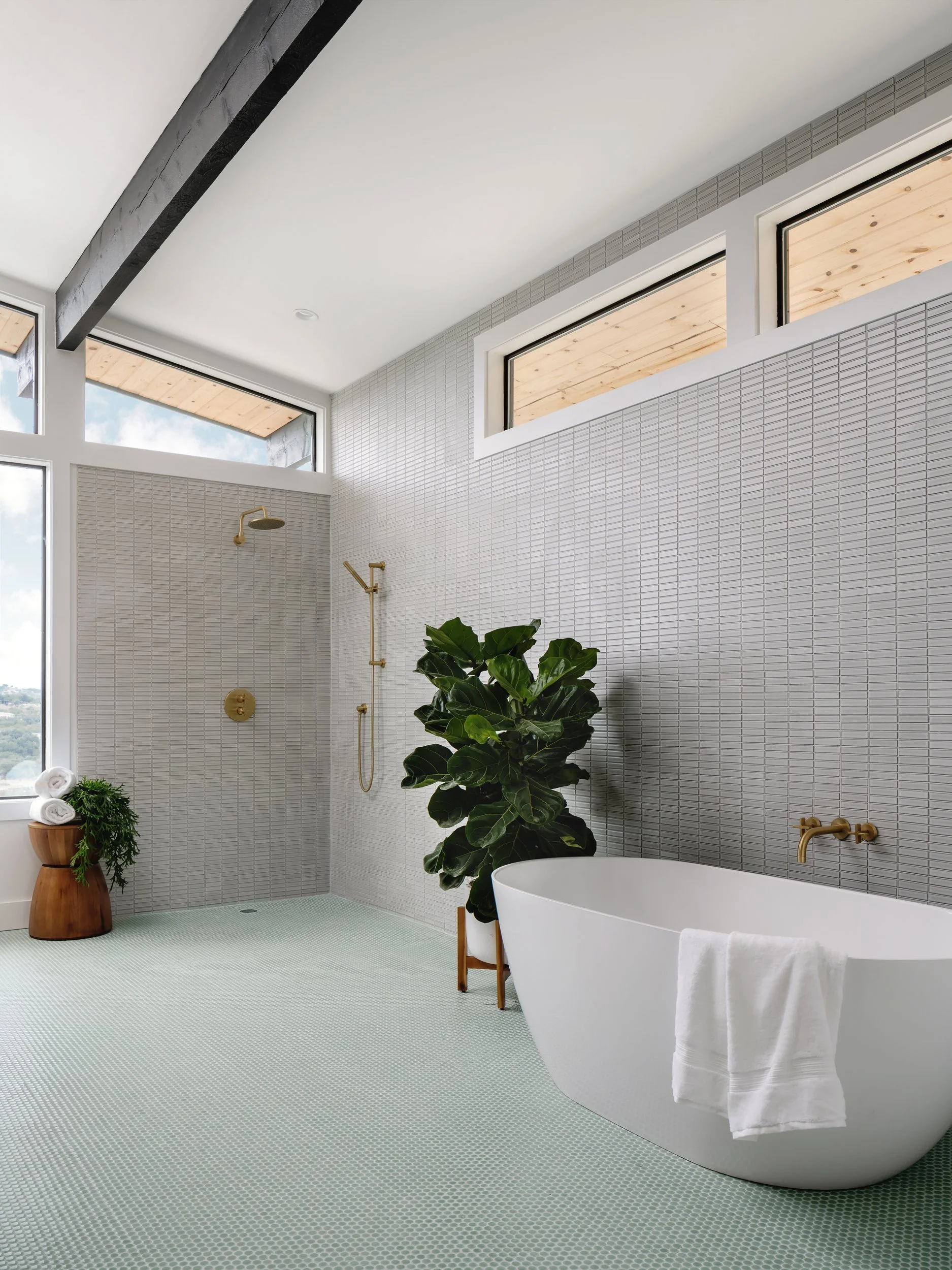
Budgets are most effective when they are aligned with daily experience. It is generally worth prioritizing the elements that carry constant use and visual impact: kitchen and bath planning, cabinetry, flooring, plumbing fixtures, lighting infrastructure, and window treatments. These decisions are difficult to revise later and establish the baseline quality of the home.
Furniture and decorative layers matter, but they can be phased with greater flexibility. A home does not need to be furnished all at once to feel complete. In fact, allowing time to find the right dining chairs, art, or vintage pieces can result in a more personal interior than purchasing every object from a single collection.
The same discipline applies to custom work. Built-ins should solve a real spatial or functional problem. A wall of millwork can bring order to a living room or library, but adding cabinetry simply because the wall is empty often creates visual weight without adding value.
The Value of Coordinated Decisions
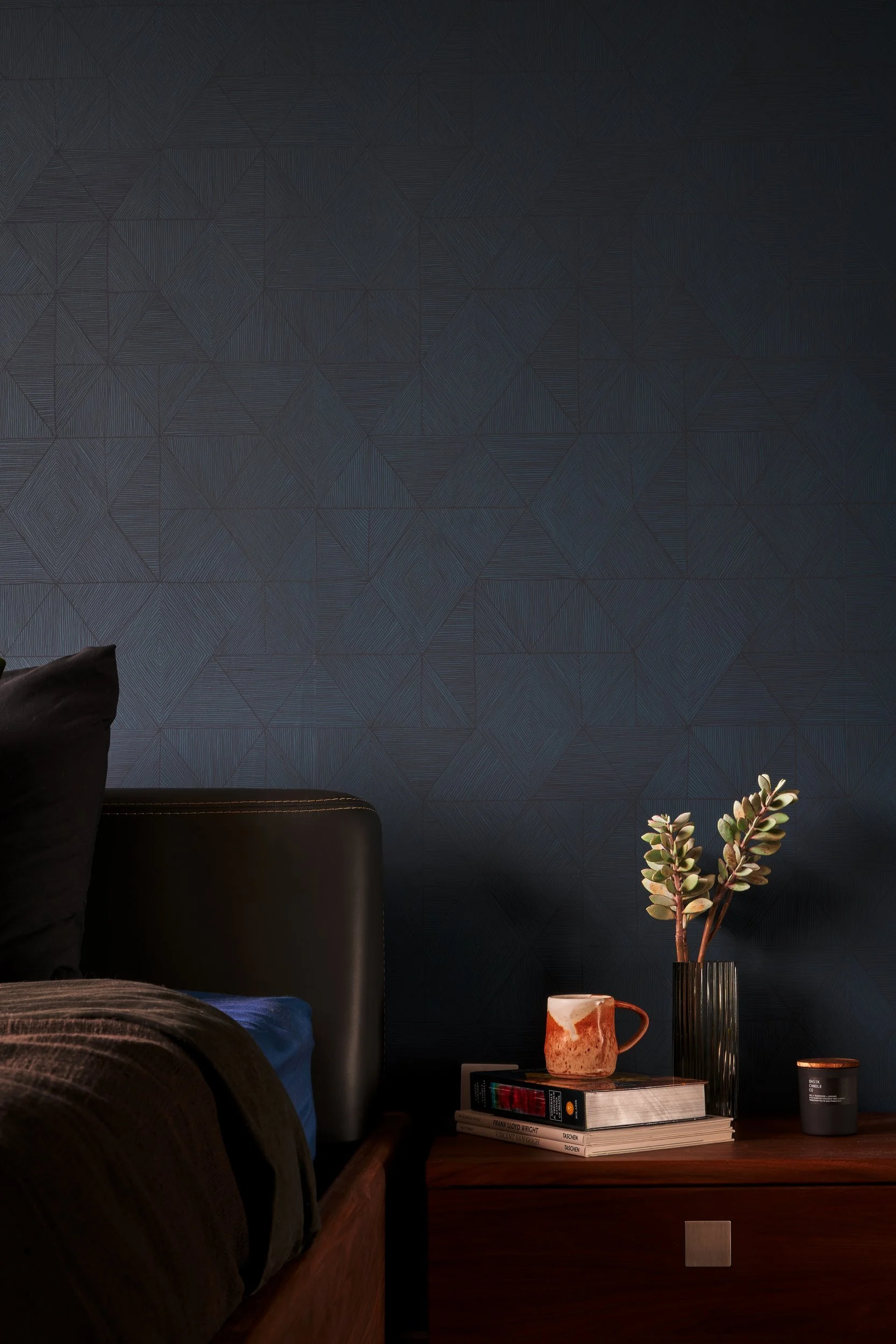
A high-level interior project involves hundreds of connected choices. The stone selection affects the cabinet color. The cabinet color changes the perceived temperature of the floor. The floor influences upholstery, paint, hardware, and lighting. Without a clear design direction, these decisions can become fragmented, even when each item is attractive on its own.
Professional design direction is valuable not simply because it introduces more options, but because it establishes a framework for choosing among them. It coordinates the architectural and decorative layers, protects the central idea through construction, and keeps the project focused when inevitable decisions arise on site.
The most enduring luxury interiors feel settled rather than finished. They have enough clarity to support daily life and enough character to become more interesting with time. Begin with the way you want to live, give the architecture a coherent voice, and let the materials earn their place.
Planning a renovation or full home design in the San Francisco Bay Area or Austin? Our Bay Area interior design team works across San Francisco, Marin, the Peninsula and the East Bay, and our Austin studio serves Central Texas. Book a discovery call to talk through your project.