Scandinavian inspired home design pairs warm materials, clear planning, and quiet contrast for homes that feel composed, livable, and personal every day.
Read MoreModern Apartment Interior Design That Lasts /
Modern apartment interior design balances calm, proportion, and material warmth to make an urban home feel tailored, functional, and enduring at home.
Read MoreModern Home Interior Design That Feels Enduring /
Modern home interior design balances proportion, material, light, and function to create calm, enduring rooms for real daily living and change over time.
Read MoreResidential Interior Design That Holds Up /
Residential interior design connects architecture, materials, light, and daily routines to create composed homes that remain useful, personal, and enduring.
Read MoreModern Interior Design That Holds Its Shape /
Modern interior design pairs clarity, material depth, and practical planning to create homes that feel calm, precise, and lasting across daily life.
Read MoreThe Best Home Improvement Investments (Ranked by What Actually Pays Off) /
Category: The Value of Professional Design · Reading time: 6 minutes
Not all home improvements are equal. Some add real value to your home and your daily life. Some look impressive in the moment and quietly disappoint over time. After more than a decade working on residential renovations, here's our ranked take on what actually pays off, both in resale value and in day-to-day quality of living.
1. The kitchen (almost always)
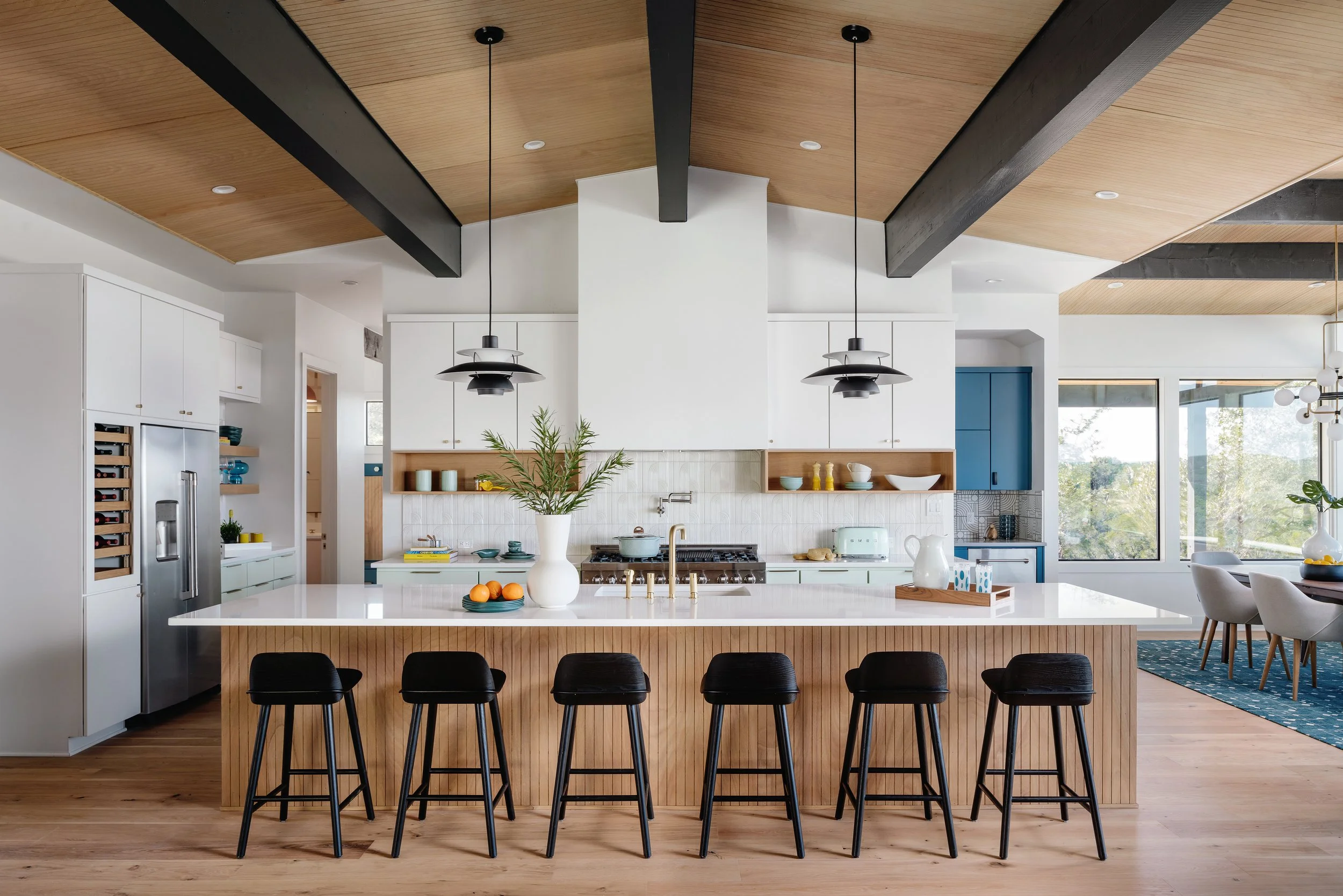
If you have one renovation budget and you're choosing where to put it, the kitchen is usually the right answer. It's the room you use most, the room buyers care most about, and the room where good design produces the most disproportionate quality-of-life return.
The decisions that matter most: layout (does the work triangle actually work?), cabinetry (quality construction and finishes that age well), the primary countertop, and the lighting plan. Updated appliances, hardware, and paint matter too, but those are easier to update later. The bones, layout, cabinetry, stone, are where the heavy investment belongs.
2. The primary bath
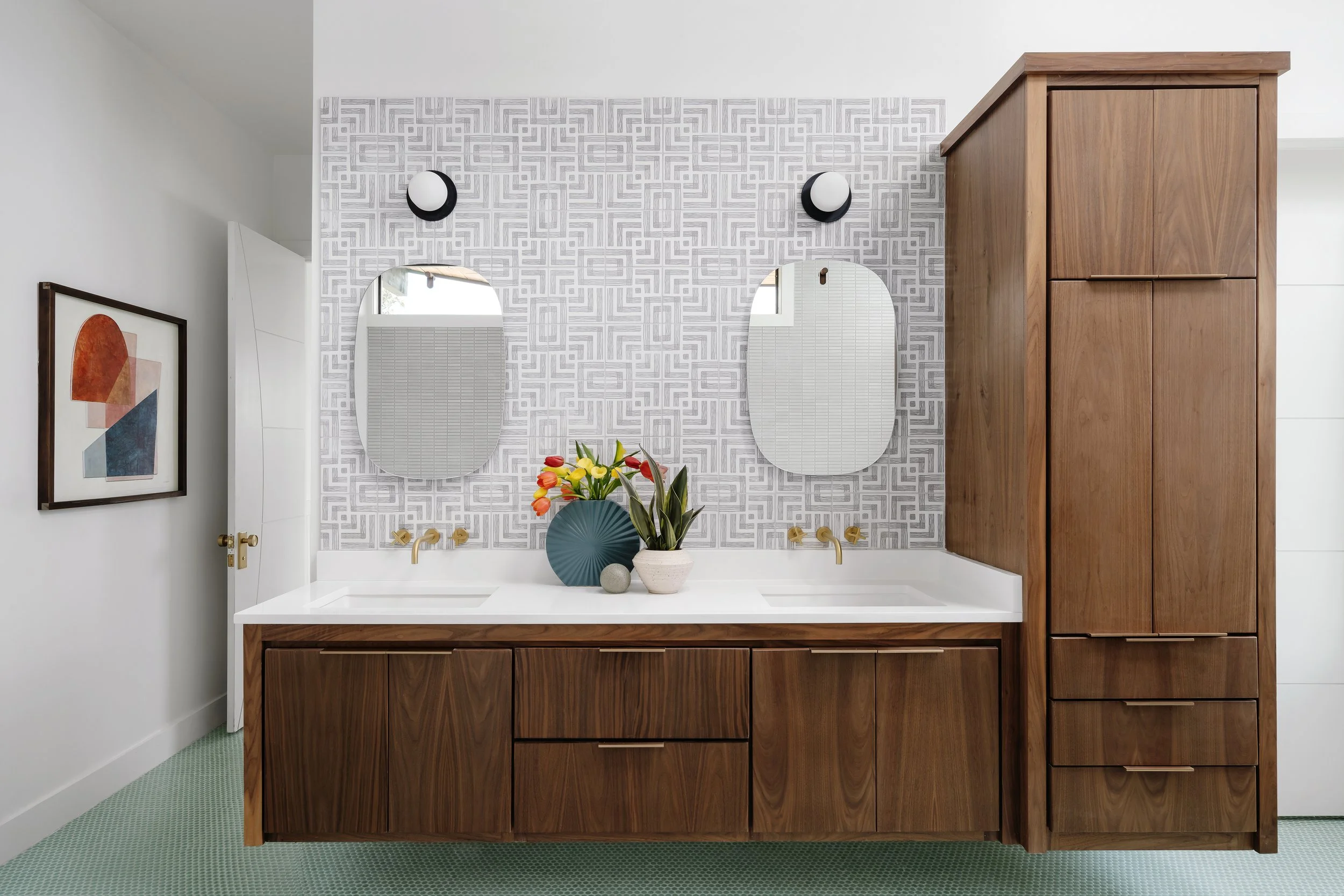
A close second to the kitchen. The primary bath is the first room you use every morning and the last room you use every evening. A well-designed one is a daily quiet luxury.
Investment priorities: a layout that gives both occupants real space, lighting that flatters (natural-light maximization first, then layered artificial lighting), durable and beautiful surfaces (stone, tile, plumbing fixtures), and storage that works with how you actually get ready in the morning. Skimping on any of these tends to show within five years.
3. Curb appeal
Real estate agents are right about this one. The first impression of a home is set within the first ten seconds of a buyer arriving, and that impression colors every subsequent room they walk through.
The improvements that move the needle: refreshed exterior paint, updated front door (and hardware), trim and gutter updates, restrained landscaping that reads as cared-for. None of these is expensive relative to interior renovations. All of them affect both resale and your own daily arrival at home.
4. Energy-efficient upgrades
Insulation, efficient HVAC, better windows, smart thermostats. These don't photograph well. They quietly save you money every month, every season, every year. And in a market increasingly conscious of operating costs, they read as a serious investment to buyers.
These improvements rarely deliver instant aesthetic gratification. They deliver a quieter, more comfortable, less expensive house to live in. That's the kind of return that compounds.
5. Adding livable space
Converting unused or underused space, a finished basement, an attic conversion, a porch enclosed for year-round use, adds both square footage and functionality. The cost per square foot of conversion is almost always less than the cost per square foot of building new.
The key is making the new space feel intentional rather than tacked on. Bad conversions read as obvious. Good conversions feel like they were always supposed to be there.
6. Flooring
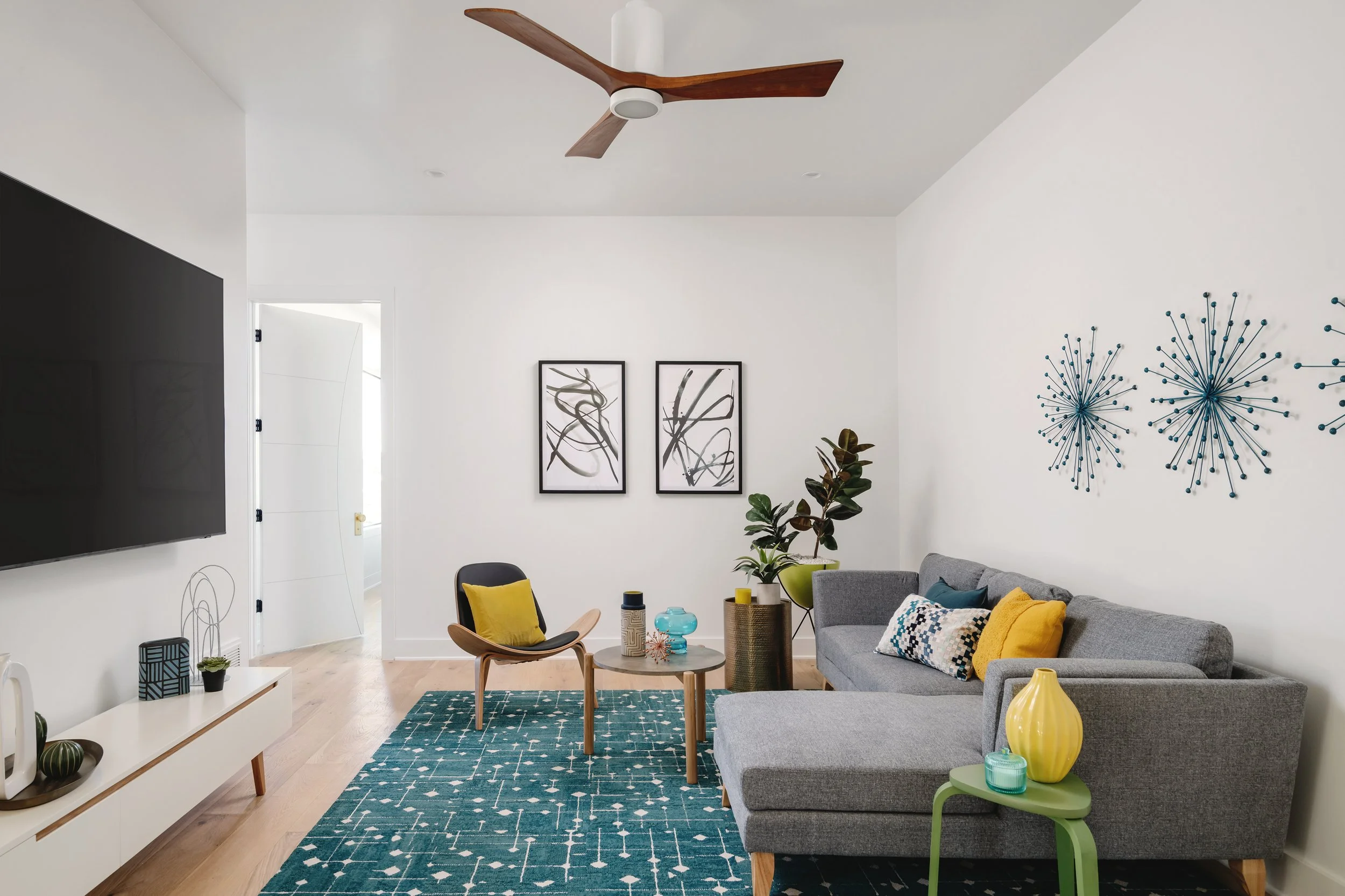
Modern materials, wide-plank engineered wood, large-format porcelain, well-installed tile, significantly affect both the look and the felt quality of a home. The old shag carpet from 1985 is the single biggest visual liability in a lot of homes we walk through.
Flooring is one of those decisions where mid-range and high-end can look very similar in photographs but feel very different underfoot. We always recommend investing in materials that have actual mass and quality. A floor you walk on every day rewards the upgrade.
7. Smart home technology
Smart lighting, integrated home audio, security systems, climate control, these have moved from luxury features to expected baseline in newer homes. The investment is modest, the daily quality-of-life improvement is real, and resale value benefits from the perception of a current home.
Our caveat: don't over-engineer. Smart technology should serve daily life, not become its own maintenance project.
8. Maintaining essential systems
Not glamorous, but essential. A well-maintained HVAC, plumbing system, and electrical setup are non-negotiable for both daily quality of life and resale. The home that runs quietly is the home that's a pleasure to live in.
The best home improvements aren't always the most photographable. The ones that actually pay off are the ones that quietly compound, in daily comfort and in eventual resale.
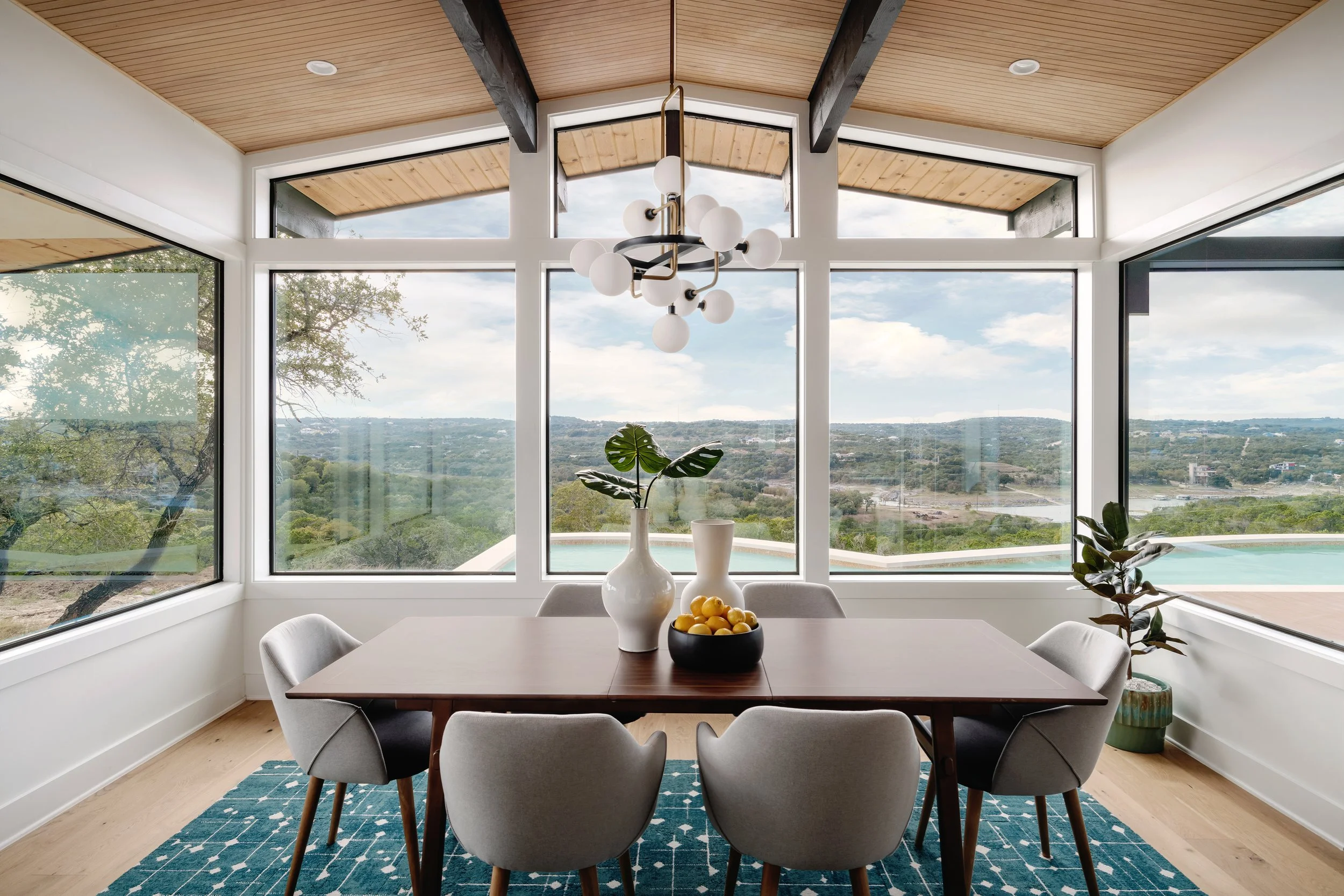
Where we come in
Our work focuses on coordinating these investments so the budget goes where it matters most. The kitchen, the primary bath, the layout, the materials, these are the categories where a designer's judgment produces the biggest return.
Let's design a home that breathes.
If you're planning a renovation and want a designer's eye on where to invest, our complimentary Discovery Call is the place to start.
Schedule a complimentary Discovery Call.
512.994.0350 · hello@breathedesignstudio.com · @breathedesign
#renovationroi #homeimprovement #austininteriordesigner #sfinteriordesigner #marininteriordesigner #bayareainteriordesigner #paloaltointeriordesigner
The Tile Resource We Can't Stop Recommending: Ann Sacks in Austin /
The Tile Resource We Can't Stop Recommending: Ann Sacks in Austin
Category: Local Sources · Reading time: 4 minutes
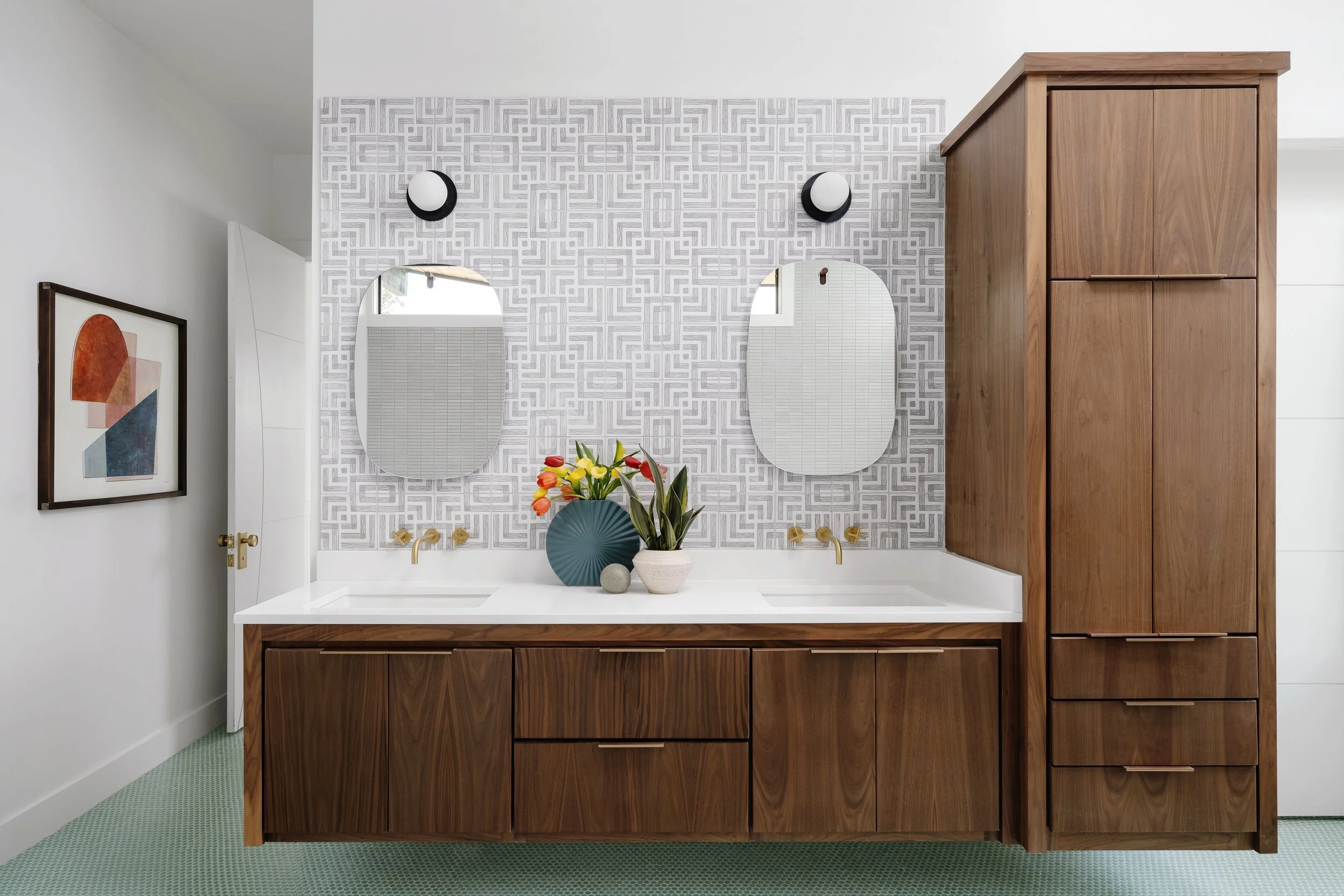
Some vendor relationships are quietly load-bearing in a design practice. For Breathe Design Studio, Ann Sacks is one of them.
Walk into almost any kitchen, primary bath, or powder room we've designed in Austin and there's a strong chance the tile came from Ann Sacks. The Austin showroom has been a regular stop on our selections days for years, and we don't see that changing.
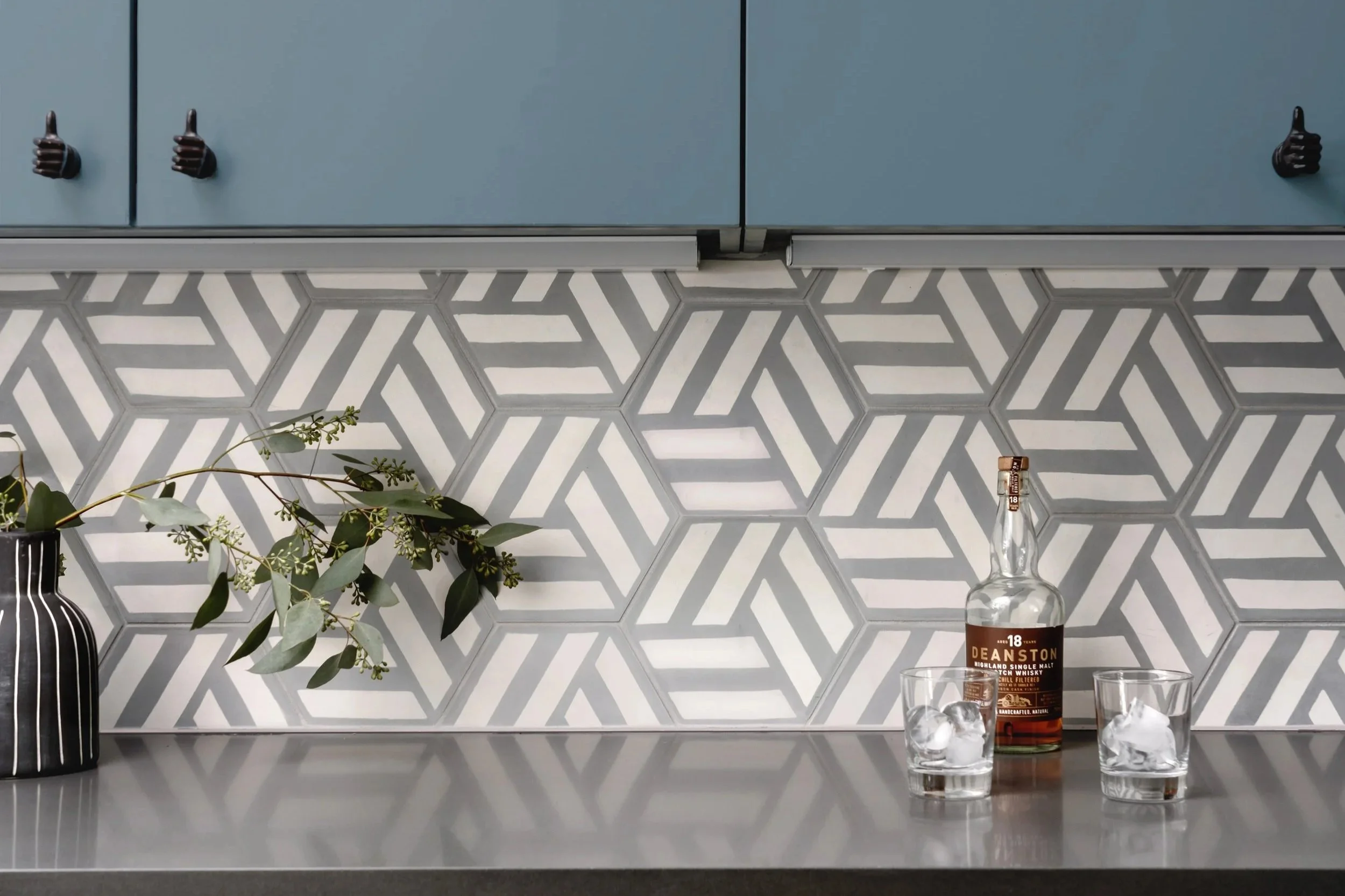
Why we keep coming back
Two reasons, mainly. First, the range. From classic subway in a hundred subtle glazes to handmade artisan tile to large-format stone, Ann Sacks carries the breadth we need to design across very different homes. A Mid-Century Atomic Ranch kitchen and a contemporary Westlake primary bath both find their match in the same showroom.
Second, the people. We've worked with the Austin team long enough to trust their lead times, their sample process, and their straightforwardness about what's in stock, what's a special-order, and what's going to be a four-month wait. When you're designing for clients who don't want surprises, that matters.
How we use the showroom in our process
For most projects, our tile shortlist gets narrowed in-studio from images and small samples. Then we meet clients at Ann Sacks for the final selection, there's no substitute for seeing real tile in real light, especially when the conversation is between a hand-glazed zellige and a more uniform ceramic that looks similar online.
We were honored to be featured in their designer profile series, 5 Questions with Breathe Design Studio. If you've ever wondered how Christine Ho thinks about tile selection in her projects, that piece is a good entry point. You can read it on the Ann Sacks Inside Design blog.
If you're starting a renovation in Austin and trying to learn the local design ecosystem, Ann Sacks is one of the first stops we'd send you to.
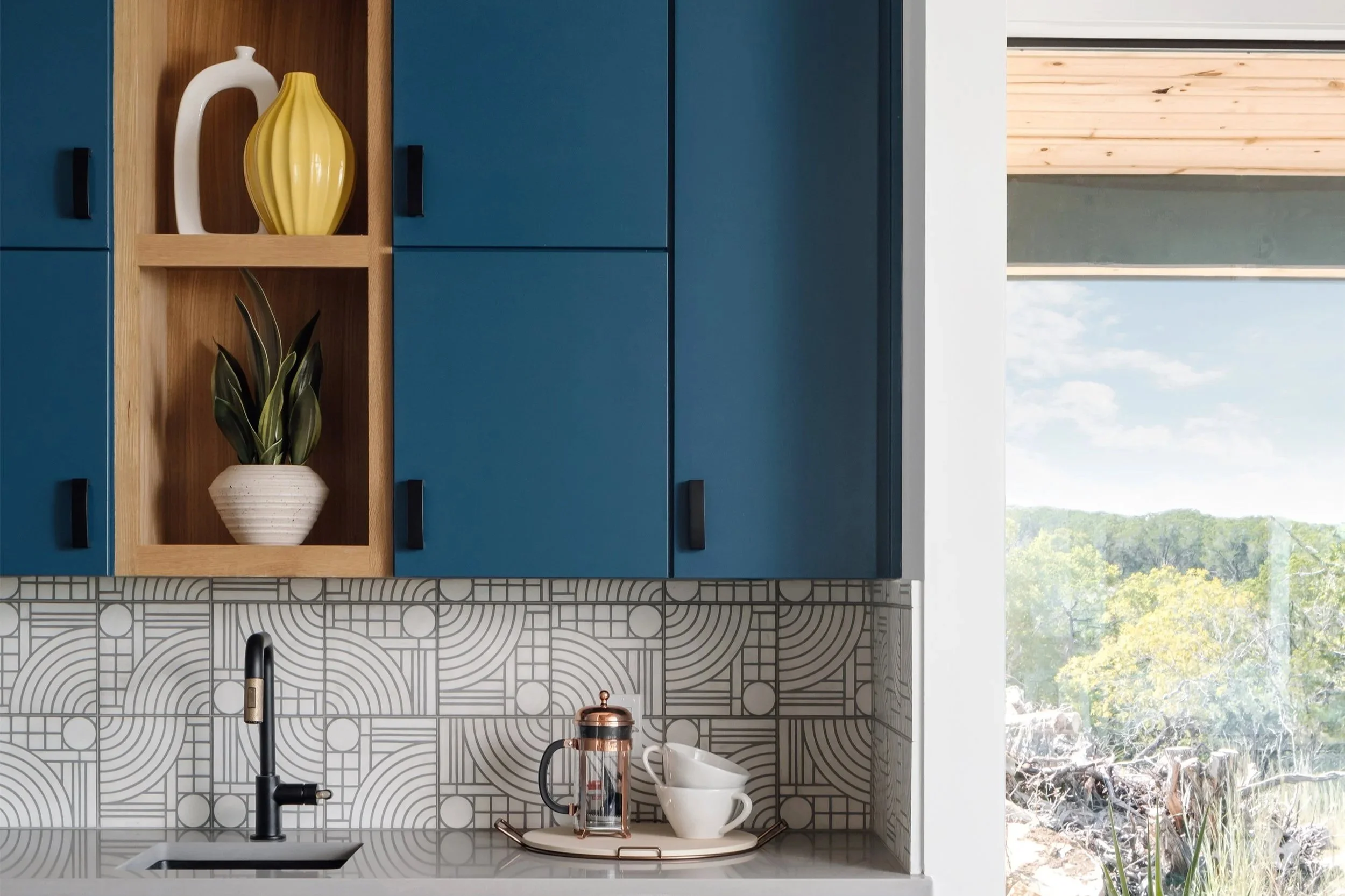
A tip if you're shopping on your own
Bring at least two reference materials with you. A cabinet sample, a flooring sample, a paint chip. Tile lives in conversation with everything around it, and choosing it in isolation almost always leads to second-guessing.
Also: ask to see the full slab samples when you can. A four-inch square doesn't always read the way a full installation will, especially with patterned or veined material.
Let's design a home that breathes.
If you're navigating tile and stone selections for a renovation and want a designer to coordinate the decisions across an entire home, that's what we do.
Schedule a complimentary Discovery Call
512.994.0350 · hello@breathedesignstudio.com · @breathedesign
Selecting Your Interior Designer: A Comprehensive Guide /
Guide
Category: Working with a Designer · Reading time: 6 minutes
Choosing an interior designer is one of the most personal hiring decisions you'll make as a homeowner. You're inviting someone into the most private corners of your life — your routines, your taste, your relationship with the people you live with — and trusting them to translate all of that into rooms that feel like a better version of you.
It's worth taking the time to choose well. After more than a decade running Breathe Design Studio, here's the framework we'd give a close friend who was beginning the search.
1. Get clear on what you actually need
Before you start interviewing designers, get clear on the scope of your project. Are you doing a full-home renovation? A single primary bath gut? A furnishings refresh on a recently completed build? The right designer for each is different.
Also be honest about the budget you're working with. A range is fine — you don't need a precise number — but knowing whether the project is $50K or $500K helps both you and the designer assess fit quickly.
2. Vet for fit beyond the aesthetic
Aesthetic alignment matters, but it's not the whole picture. A designer-client relationship typically runs six to eighteen months for full-service work. You're choosing a working partner.
In the initial conversation, pay attention to how they listen. Do they ask thoughtful questions about how you actually live, or do they jump to design solutions? Do they push back gently on assumptions, or just agree with everything you say? The designers worth hiring will respectfully challenge you on at least one thing in the first meeting.
3. Ask for client references — and actually call them
Reviews online tell you what someone wanted to publish. A twenty-minute phone call with a former client tells you what it's actually like to live through a project with this designer. Any designer with a healthy practice will be happy to make the introduction.
Questions worth asking the reference: Were you well-informed throughout the process? How did the designer handle problems? Were they on budget, or did surprises emerge? Would you hire them again?
4. Understand how they price
There's no single right way to price design work. Some firms charge flat fees per room or phase. Some bill hourly. Some take a percentage of the project budget. Some blend models.
5. Discuss timing and availability honestly
Great designers are often booked months out. If you're working to a specific timeline — a baby on the way, an out-of-state move, a window before you list the home — surface that early. Some firms can accommodate fast starts. Most cannot. Knowing the constraints upfront saves both sides from wasted conversations.
The best designer-client relationships start with honest, specific conversations. The wrong fit reveals itself in the first hour if you're paying attention.
Our approach at Breathe
Our complimentary Discovery Call is designed exactly for this kind of mutual vetting. About thirty minutes, no pressure, no slide deck. We'll ask about your project. You'll ask about ours. By the end, both sides should have a clear sense of whether we're the right designer for what you're trying to do.
If we're not the right fit, we'll say so and point you toward someone better suited. We'd rather decline a project than take on one that's better matched to another studio.
Let's design a home that breathes.
Ready to start the conversation? Our complimentary Discovery Call is the right first step.
Schedule a complimentary Discovery Call
512.994.0350 · hello@breathedesignstudio.com · @breathedesign
WHAT IS HYGGE? TIPS FOR Interior Design /
Lately, the Danish principle of Hygge has garnished more attention as folks are drawn to a more simple and minimalist lifestyle that doesn’t sacrifice comfort and well-being. That being said, what is it? Read below for hygge interior design tips.
Read More